Jul 24, 2025
Container classrooms use converted containers to create fully functional study spaces. Whether you're exploring expansion options, budget constraints, or a district official managing an enrollment surge, the container classrooms can solve this problem faster and more cost-effectively than traditional classrooms.
This guide covers everything you need to know: what container classrooms are, their benefits, how quickly they can be deployed, and whether they're right for your school.
What are Container Classrooms?
Container classrooms, also called modular container classrooms or prefab container schools, are made of ISO steel containers (typically 20 ft or 40 ft) that have been structurally modified and fitted out as learning spaces. A standard 40-ft container yields roughly 320 square feet of usable floor area, comparable to a small traditional classroom.
Once modified, a container classroom can typically include insulated walls and ceiling, HVAC climate control, double-pane windows and an entry door, electrical wiring and LED lighting, internet and AV rough-ins, and interior finishes (drywall, vinyl plank flooring, drop ceiling).
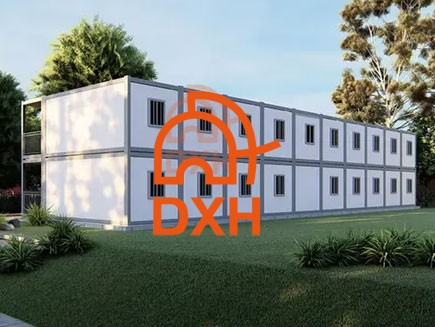
Two or more container units can be stacked or joined side by side to create a larger open-plan learning space, making it infinitely scalable and flexible.
Who Uses Container Classrooms and Why?
• Surge in Enrollment: The school district added 200 students mid-year, but lacks available permanent classrooms. Container classrooms can be delivered to the site and operational within 8-12 weeks.
• Renovation Transition: A wing of the existing school building is undergoing renovation. Modular container classrooms can serve as a temporary campus during construction.
• Remote or Underserved Communities: Factory-prefabricated, ready-to-install container classroom units offer significant advantages for rural areas lacking access to traditional construction teams or materials.
• New Facility Expansion: The prefab schools can add STEM labs and art studios without launching full-scale infrastructure projects.
How Quickly Can a Container Classroom Be Deployed?
Speed is one of the strongest for container classrooms. A normal project timeline looks like this:
• Weeks 1–2: Site assessment, permit application, unit and layout design.
• Weeks 3–6: Factory fabrication and set up (or selection from in-stock inventory).
• Week 7: Delivery and crane placement on prepared foundation.
• Weeks 8–10: Utility connections, final inspections, and enrollment.
Compared to traditional construction (12–36 months), container classrooms deliver the fastest path from decision to occupied space.
Are Container Classrooms Environmentally Sustainable?
Sustainable container classrooms offer several genuine environmental advantages worth exploring.
Converting containers requires minimal use of new structural steel and concrete—two materials with the highest carbon emissions in traditional construction. According to life-cycle analysis studies in the modular construction industry, repurposed container buildings reduce embodied carbon emissions by 30% to 45% compared to similarly sized frame structures.
Modern container classrooms often incorporate additional sustainable features, such as spray-foam or mineral wool insulation providing R-values of 19 to 30; integrated HVAC systems; skylights and daylighting windows; and rooftop solar panels.
Customization Options: What Can Schools Actually Build?
There's a common misconception that container classrooms are crude industrial spaces. In reality, modern container classrooms can be finished to match or even surpass traditional permanent classrooms in comfort and functionality.
Popular configurations ordered by schools include:
• Standard K-12 classrooms (desks, whiteboards, projectors, lockers)
• STEM and science labs (lab benches, chemical-resistant surfaces, eyewash stations, ventilation systems)
• Art studios (epoxy flooring, shared sinks, north-facing natural skylights)
• Music classrooms (acoustic wall panels, double-wall construction for noise reduction)
• Counseling or group activity spaces (upholstered seating, privacy glass, quiet HVAC)
• Administrative offices (open layout with internally partitioned private offices)
Multi-container buildings may incorporate accessible restrooms, covered outdoor corridors connecting units, and exterior cladding matching existing campus aesthetics (fiber cement, wood siding, or brick veneer).
Permits and Code Compliance: What Schools Need to Know
Container classrooms must adhere to the same building codes as other educational facilities. Specific requirements vary by region or state, but consider the following:
• IBC/IFC Compliance: Under the International Building Code (IBC), container classrooms used for K-12 education fall under the Educational (E) category. This means that the facility should meet specific evacuation route, structural, and fire safety requirements.
• ADA Accessibility: All federally funded educational facilities must comply with the Americans with Disabilities Act (ADA). This includes accessible pathways, door widths, barrier-free hardware, and compliant restrooms (if applicable).
• Fire Protection: Depending on occupancy and jurisdiction, sprinkler systems may be required. Confirm with the governing authority before finalizing the design.
• Foundation Requirements: Most jurisdictions mandate concrete footings or strip foundation systems. Simple gravel pads are rarely approved for occupied school buildings.
• Electrical and Mechanical Permits: All wiring and HVAC installations must be permitted and inspected.
Why Container Classrooms Over Traditional Portables
• Durability: Steel structure withstands high-wind events (hurricane straps standard), moisture, and vandalism far better than wood-frame portables.
• Aesthetics: Modern exterior cladding options allow container classrooms to blend into a campus rather than look like afterthoughts.
• Stackability: Two-story configurations are feasible with container structures; most portables cannot be stacked.
• Sustainability: Repurposed material reduces embodied carbon.
Is a Container Classroom Right for Your School?
Container classrooms are a perfect solution for schools facing enrollment pressure, budget constraints, or the need for specialized spaces. They offer a combination of speed, cost efficiency, and durability.
Ready to explore if container classrooms are the smart next step for your district? Contact the DXH House sales team to get your free consultation started.
Frequently Asked Questions
How Long Do Container Classrooms Last?
A well-built container classroom has a structural lifespan of 15-20+ years with basic maintenance. The Corten steel shell is corrosion-resistant and virtually pest-resistant.
Can Container Classrooms Be Relocated?
A single container unit can be crane-lifted, loaded onto a flatbed, and relocated to a new site. Multi-unit configurations require disconnecting utility connections and disassembly of joining panels before transport.
Are Container Classrooms Safe For Students?
Container classrooms are as safe as any other educational building. The critical factors are professional modification (not DIY), proper insulation and HVAC (to prevent condensation and air quality issues), code-compliant egress doors and windows, and regular facility inspections.
Do Container Classrooms Get Too Hot Or Cold?
Properly insulated panels and climate-controlled container classrooms maintain interior temperatures comparable to permanent buildings.
Read More





 IPv6 network supported