Container classrooms use converted containers to create fully functional study spaces. Whether you're exploring expansion options, budget constraints, or a district official managing an enrollment surge, the container classrooms can solve this problem faster and more cost-effectively than traditional classrooms.
This guide covers everything you need to know: what container classrooms are, their benefits, how quickly they can be deployed, and whether they're right for your school.
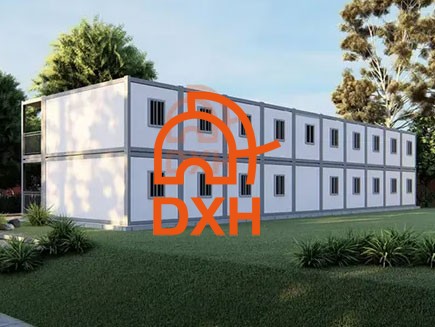
Container classrooms, also called modular container classrooms or prefab container schools, are made of ISO steel containers (typically 20 ft or 40 ft) that have been structurally modified and fitted out as learning spaces. A standard 40-ft container yields roughly 320 square feet of usable floor area, comparable to a small traditional classroom.
Once modified, a container classroom can typically include insulated walls and ceiling, HVAC climate control, double-pane windows and an entry door, electrical wiring and LED lighting, internet and AV rough-ins, and interior finishes (drywall, vinyl plank flooring, drop ceiling).
Two or more container units can be stacked or joined side by side to create a larger open-plan learning space, making it infinitely scalable and flexible.
Speed is one of the strongest for container classrooms. A normal project timeline looks like this:
Compared to traditional construction (12–36 months), container classrooms deliver the fastest path from decision to occupied space.
Sustainable container classrooms offer several genuine environmental advantages worth exploring.
Converting containers requires minimal use of new structural steel and concrete—two materials with the highest carbon emissions in traditional construction. According to life-cycle analysis studies in the modular construction industry, repurposed container buildings reduce embodied carbon emissions by 30% to 45% compared to similarly sized frame structures.
Modern container classrooms often incorporate additional sustainable features, such as spray-foam or mineral wool insulation providing R-values of 19 to 30; integrated HVAC systems; skylights and daylighting windows; and rooftop solar panels.
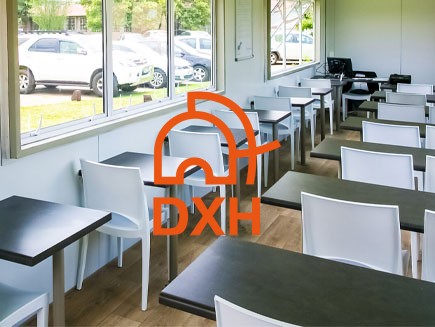
There's a common misconception that container classrooms are crude industrial spaces. In reality, modern container classrooms can be finished to match or even surpass traditional permanent classrooms in comfort and functionality.
Popular configurations ordered by schools include:
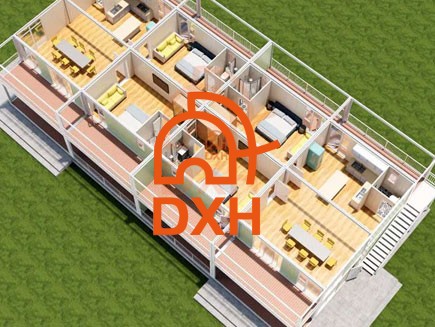
Multi-container buildings may incorporate accessible restrooms, covered outdoor corridors connecting units, and exterior cladding matching existing campus aesthetics (fiber cement, wood siding, or brick veneer).
Container classrooms must adhere to the same building codes as other educational facilities. Specific requirements vary by region or state, but consider the following:
Container classrooms are a perfect solution for schools facing enrollment pressure, budget constraints, or the need for specialized spaces. They offer a combination of speed, cost efficiency, and durability.
Ready to explore if container classrooms are the smart next step for your district? Contact the DXH House sales team to get your free consultation started.
A well-built container classroom has a structural lifespan of 15-20+ years with basic maintenance. The Corten steel shell is corrosion-resistant and virtually pest-resistant.
A single container unit can be crane-lifted, loaded onto a flatbed, and relocated to a new site. Multi-unit configurations require disconnecting utility connections and disassembly of joining panels before transport.
Container classrooms are as safe as any other educational building. The critical factors are professional modification (not DIY), proper insulation and HVAC (to prevent condensation and air quality issues), code-compliant egress doors and windows, and regular facility inspections.
Properly insulated panels and climate-controlled container classrooms maintain interior temperatures comparable to permanent buildings.

Xunqing Rd No.639, Taoyuan Town, Wujiang District, Suzhou City, Jiangsu Province, China
View All Contact


Our hours
Monday to Sunday: 9 AM - 6 PM
(all hours are Eastern Time)

 IPv6 network supported