banner
Home

Flat Pack Container House

Flat Pack Container House

  • How to Build a Flat Pack Container Home in 2026
    How to Build a Flat Pack Container Home in 2026
    Feb 05, 2026
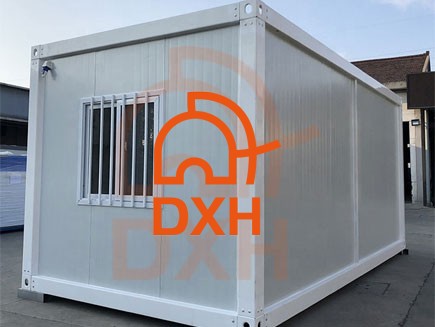
    Flat-packed houses are gaining popularity due to their affordability, environmental friendliness, and quick installation. They are particularly attractive in areas with housing shortages because their production and installation speed far surpasses that of traditional buildings.   As ResearchAndMarkets.com report, by 2026, the trend in prefabricated housing will evolve from temporary housing to sustainable housing solutions. The global market size is projected to grow from $142.99 billion in 2025 to $153.79 billion, representing a compound annual growth rate (CAGR) of 7.6%.   Whether you're looking to build a temporary studio in your backyard, a vacation cottage, an affordable permanent residence, or a rental property, these modular flat pack houses offer an affordable and sustainable way to build.   Why Choose a Flat Pack Home?   A Flat Pack Container Home is a prefabricated house made from weathering steel frames. These modular components are manufactured off-site, efficiently transported in flat-pack form (such as floors, roofs, or walls, frames, and often pre-installed doors and windows), and assembled on your foundation.   Cost-effectiveness: Saves up to 50% on labor and material costs compared to traditional construction. This reduces on-site construction and allows for rigorous quality control. Construction Speed: Once the foundation is ready, the steel frame and panels can be bolted and welded together within days or weeks (rather than months) with a small workforce. Sustainability: The use of recyclable steel structural frames and energy-efficient insulation materials enables sustainable building practices while reducing construction waste. Modular Design: Flat-pack homes are available in standard sizes or customized to your needs. Additionally, modules can be stacked or combined to create larger living spaces. Flexibility: Flat pack houses are ideal for use as primary residences, outbuildings, holiday cabins, worker accommodations, temporary office space, or emergency housing.   Tool Preparation and Site Planning   Assembling flat-pack container houses requires no heavy cranes or specialized machinery—just precise handling and the right tools.   Tool Kit   Power Tools: Impact drill, electric screwdriver, circular saw (optional, for custom cutting). Leveling Tools: Laser level or high-quality level (essential for structural alignment). Hand Tools: Rubber mallet, adjustable wrench, socket wrench set, heavy-duty ladder. Safety Equipment: Hard hat, gloves, safety glasses, high-visibility vest.   Site Requirements   Site Selection and Permits: Whether for temporary or permanent construction, be sure to review and comply with your local planning regulations. Foundation Work: The stability of a container house depends on the quality of its foundation. You can use a simple concrete base, pile foundation, or even a level gravel layer, depending on the needs of the house. Utility Planning: Mark the locations of water, sewage, and electricity connections before laying the floor.   Flat Pack Container House Step-by-Step Assembly Guide   1. Install the Base Frame   Open the galvanized steel floor chassis and secure it to the prepared foundation using anchor bolts.   Tip: Use a laser level to ensure the frame is perfectly level in all directions. Even slight deviations can lead to subsequent structural problems.   2. Install Corner Posts and Support Posts   Securing the prefabricated corner posts to the base frame with bolts provides structural integrity for the entire building.   Common Mistake: Do not overtighten the bolts at this stage—only apply the final torque after the entire frame is square and level.   3. Install Roof Panel Assembly   Lift the roof panel (usually in one or two sections) and bolt it to the corner posts. Modern flat-pack designs include built-in gutters and slopes for drainage.   Key Check: Ensure all roof joints are perfectly aligned to ensure the house is airtight and weatherproof.   4. Install Wall Panels and Door/Window Connectors   Slide the prefabricated insulated sandwich panels (usually EPS, rock wool, or PU core) into the designated tracks. Install the prefabricated doors and aluminum-framed windows into the corresponding slots.   Insulation Notes: These sandwich panels offer excellent thermal insulation (R-value comparable to conventional buildings) and sound insulation.   5. Sealing and Weatherproofing   Use high-quality silicone or polyurethane sealant to seal all seams, corners, and penetrations.   Pay attention to the roof-to-wall junction and around doors and windows. This step is crucial for improving energy efficiency and preventing leaks.   6. Interior and Utility Connections   While the structure itself is easy to assemble yourself, electrical wiring, plumbing, and final interior finishing should be done by certified professionals to comply with local regulations.   7. Interior Finishing   After sealing the flat-pack container home, you can install wiring, plumbing, and interior partitions inside. You can enthusiasts personalize their homes here with custom flooring and cabinetry.   Ready to Start Your Modular Home Journey?   Flat-pack container houses offer a convenient path to an affordable, sustainable, and modern lifestyle. Send us your requirements through the contact form below to see available container home floor plans and get a personalized quote for your project.     Frequently Asked Questions   Are Flat-Pack Container Houses Suitable for Cold or Extreme Climates?   Yes. High-density insulation materials (rock wool or polyurethane) offer excellent insulation performance, making them suitable for both hot and cold regions.   Is It as Robust and Durable As a Traditional Structure?   Yes. To meet the needs of earthquake-prone areas, steel frame structures offer superior earthquake resistance and structural flexibility, and designs capable of withstanding hurricane-force winds are increasingly popular.   Can Modular Flat-Pack Container Houses be Relocated Later?   Absolutely. The entire flat pack housing unit can be disassembled, repacked, and transported to a new location.   Which Foundation Option is Best for Flat Pack Container Houses?   Concrete piers or monolithic foundations are most common. Avoid placing them directly on the ground to prevent moisture damage.  
    Read More
  • Why Modern Flat Pack Homes?
    Why Modern Flat Pack Homes?
    Oct 14, 2025
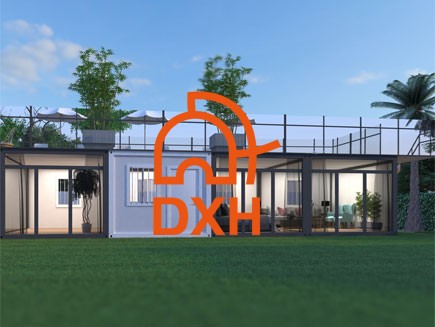
    As a leading prefabricated construction company in China, DXH House has designed a range of modular building structures to meet customer needs. For example, modern flat pack homes are manufactured in panels, shipped flat-packed, and quickly assembled on-site. Similar to flat-pack furniture, these flat-pack homes are delivered in parts with assembly instructions, making them faster and more economical than traditional homes.   Modern flat pack homes are gaining popularity due to their affordability, environmental friendliness, and ease of installation. They meet the demands of homebuyers and builders for speed, cost control, and high quality. They are popular in areas with housing shortages because they can be produced and installed much faster than traditional construction.   Fast-Build Modern Flat Pack Tiny Homes   One of the most notable features of flat-pack homes is their ability to be easily assembled quickly. Their compact living space is also ideal for singles, young couples, or as a secondary backyard space.   Modern flat-pack tiny homes are designed with efficiency in mind—smart layouts, multifunctional furniture, and energy-saving systems maximize space while keeping costs low.     Sustainability and Environmental Benefits of Flat-Pack Homes   For eco-conscious builders, flat-pack homes are attractive because they offer environmental certifications such as CE marking. Factory production also reduces material waste by up to 80%, reducing the burden on landfills. Energy-efficient insulation panels lower utility bills and improve the environment.   Many DXH House's flat-pack homes for sale are certified green. To further enhance the eco-friendliness of your flat pack container home, we can also provide level-up services, such as a solar roof can increase off-grid power generation potential. A rainwater harvesting system can also be added for a fully sustainable home.   Affordable Prefabricated Flat Pack Container Homes   Prefabricated flat-pack home kits are one of the most affordable ways to own a home. Flat pack container homes come with pre-cut components, installation instructions, and sometimes even pre-installed wiring or plumbing.   While actual prices vary depending on home size and location, these container homes are widely considered an affordable alternative to traditional home construction. They are particularly popular with DIY enthusiasts and those seeking quick housing solutions.   Industry Innovator: DXH House's Flat Pack Container Home Solutions   DXH House, a container home manufacturer based in Suzhou, China, has been manufacturing prefabricated and modular structures since 2008. We specialize in scalable, quickly deployable solutions. These structures are ideal for temporary accommodation, off-grid living, or commercial needs. Our prefabricated modular homes are sold in over 500 countries worldwide. Customers have raved about the over 30,000 homes delivered.   DXH House specializes in 20-foot flat-pack homes. These flat-pack units measure approximately 20 x 8 x 9 feet. Models include a one-bedroom living space with a bathroom. Options are suitable for hotels, offices, or resorts. You can customize the interior of the kitchen or workspace. Exterior color and panel thickness can be adjusted to suit climate conditions.   DXH House's container homes are designed with sustainability in mind. Sandwich panels are insulated with EPS or rock wool. The steel frame can withstand winds exceeding 68 mph and earthquakes up to magnitude 10. They have a lifespan of over 15-20 years and produce 70% less waste than traditional construction.     Get a Modern Flat Pack Home Now   Modern flat pack homes redefine affordable living. They offer various styles to meet your needs and can be expanded easily. Explore dxhhouse.com and contact us today to build your dream container home efficiently.  
    Read More
  • Prefab Containers in Retail: A New Era of Pop-Up Shops
    Prefab Containers in Retail: A New Era of Pop-Up Shops
    Mar 11, 2025
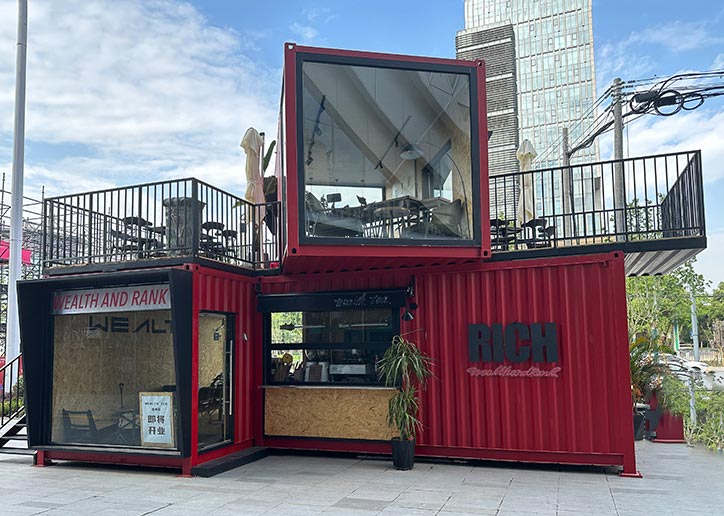
    In the ever-evolving retail industry, companies constantly seek innovative ways to engage customers, reduce overhead costs, and create unique shopping experiences. One emerging trend that has caught the attention of entrepreneurs, retailers, and urban planners is the use of prefab containers as platforms for flash mobs and temporary retail spaces.     The Rise of Container Houses Pop-Ups   Pop-up stores have always been a favorite of major brands that want to test new markets, launch products, or create a sensation without signing a permanent lease agreement. But traditional pop-up stores often rely on rented commercial space or temporary buildings, lacking personality and durability. Modular containers solve these challenges by providing the following advantages:   Affordability: Lower rental costs compared to physical stores.   Portability: Easy to transport and relocate when changing locations.   Durability: It can withstand any environment and weather conditions.   Sustainability: It can be reused whenever you want to have any activities.   From fashion boutiques to coffee shops, major brands have put their creativity into the design of container houses, proving that big ideas can thrive in small spaces.     Why Prefab Containers Are Perfect for Retail   What makes prefabricated containers ideal for pop-up stores? First, they are durable and can withstand harsh weather and wear and tear. They are also easy to transport and relatively affordable, costing only a fraction of the traditional construction cost. In addition, the containers' stackable and expandable nature allows for creative layouts based on brand needs.   Cost Effectiveness Container-based retail offers a more cost-effective solution than traditional brick-and-mortar stores. With a one-time purchase and minimal setup costs, container stores are an affordable way for brands to enter the retail market without the financial burden of a permanent storefront.   Sustainability and Environmental Protection Repurposing container houses for retail purposes is a sustainable option. Businesses do not need to create new interior structures; this practice helps reduce carbon footprint, minimize environmental impact, and address environmental issues.   Mobility and Flexibility One of the biggest advantages of using prefabricated houses for retail is their portability. This mobility enables brands to interact with new audiences in various settings without the long-term commitment of a permanent location, whether you want to open a store in an urban, suburban, or remote festival location.     How to Design a Standout Container House Pop-Up   Maximize Space: Expand your footprint with collapsible walls, retractable awnings, or a rooftop deck.   Lighting Matters: String lights, LED strips, or oversized pendant lights create warmth and draw attention after dark.   Technology Integration: Add touchscreens, QR code stations, or social media walls to appeal to tech-savvy shoppers.   Keep it Modular: Design interior spaces with removable shelving, magnetic displays, or modular furniture that can be easily reconfigured.   The Future of Prefabricated Houses in Retail   As the retail landscape continues to evolve, the use of container houses will play an increasingly important role in shaping the future of pop-up stores, temporary retail spaces, and innovative commercial experiences.   With their inherent flexibility, cost-effectiveness, and ability to facilitate memorable customer interactions, container homes offer a compelling solution for retailers seeking to adapt to rapidly changing market conditions and consumer preferences. By embracing this versatile medium, businesses can open up new avenues for growth, experimentation, and meaningful engagement with their target audiences.   As retail continues to be redefined, prefabricated houses will likely become a quintessential component of new-age pop-up stores, temporary retail spaces, and dynamic commercial experiences that engage and inspire consumers for years to come. If you have any pop-up store event needs, please contact us and get the ideal prefabricated house container price.  
    Read More

leave a message

leave a message
If you are interested in our products and want to know more details,please leave a message here,we will reply you as soon as we can.
submit

Our hours

Monday to Sunday: 9 AM - 6 PM
(all hours are Eastern Time)

Contact Us: edwardchou@dxprefabhouse.com

home

products

WhatsApp

Contact Us